Helpful Tips to Tucson General Contractor
How to Pick the Right General Contractor for Your Next Home Project
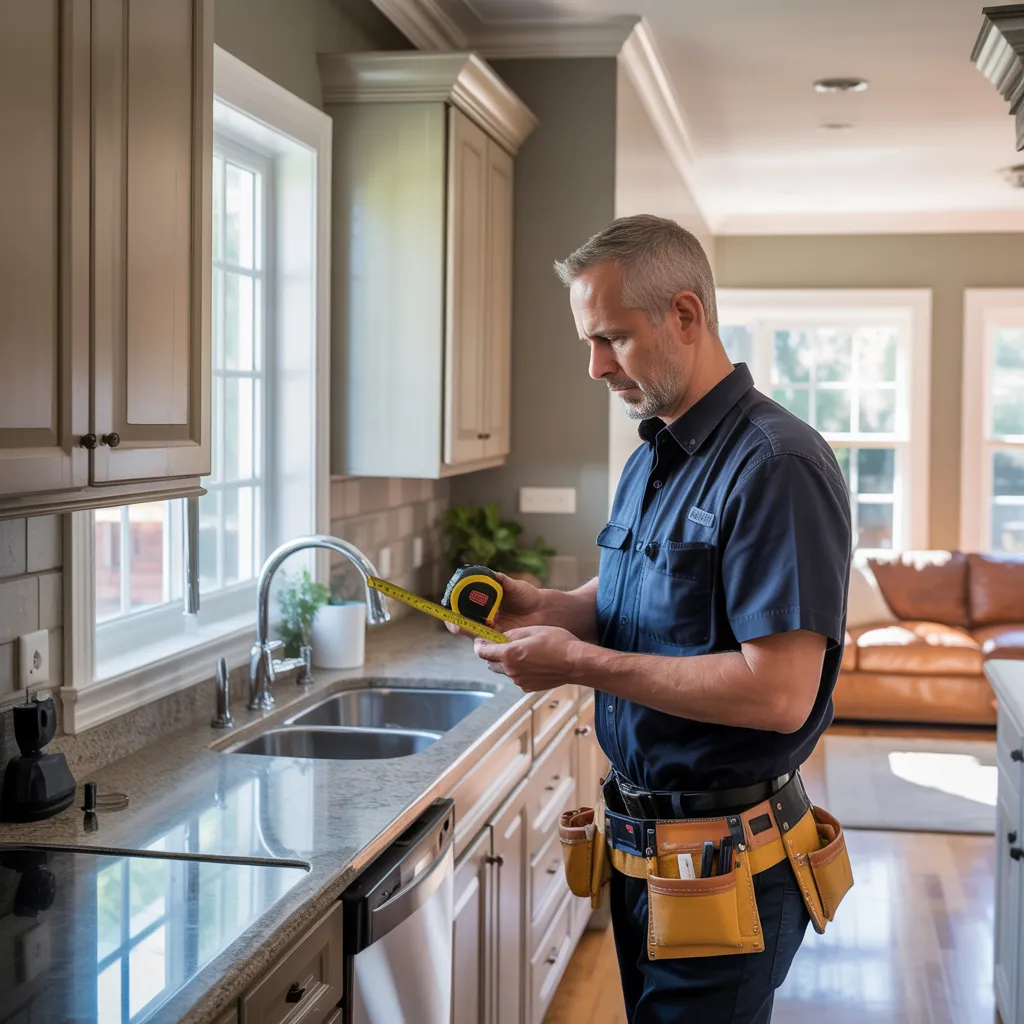
Selecting the appropriate construction professional for your home renovation is a critical decision. This demands thoughtful evaluation of various factors, such as expertise, qualifications, and communication skills. Many homeowners overlook important details, resulting in expensive errors. Knowing how to evaluate prospective professionals can make a significant impact. By focusing on essential criteria and posing the appropriate inquiries, one can navigate this complex process more efficiently. What are the key steps to guarantee a productive collaboration?
How to Avoid Standard Traps When Choosing a Professional
When hiring a general contractor, how might one navigate the plethora of selections without making frequent errors? Prospective clients often fail to notice vital aspects that can lead to unfavorable effects. First, depending only on cost can be misleading; the lowest bid may signify subpar quality or concealed expenses. Additionally, neglecting to check references or online reviews can result in engaging a contractor with a bad history. It is also essential to avoid making decisions based on charisma alone; a charming contractor may not possess the necessary skills or reliability. Moreover, ignoring explicit communication and goals can lead to confusion and disappointment. Finally, skipping detailed contract review prior to signing can result in unexpected obligations or lack of protection. By being vigilant and informed, homeowners can make stronger determinations, ultimately resulting in a triumphant outcome.
Essential Points to Review in a Contractor's Professional History
When reviewing a contractor's experience, several key factors prove important. Relevant project experience, industry certifications, and an comprehensive collection of finished projects represent critical indicators of their competencies. Analyzing these elements can deliver valuable insights into the contractor's suitability for the particular job at hand.
Pertinent Work Background
Understanding a contractor's applicable work history is crucial for ensuring the positive outcome of any building project. Prospective clients should evaluate the contractor's body of work, focusing on finished work similar in scope and style to their own. This involves examining the caliber of craftsmanship, adherence to timelines, and budget management in past projects. Additionally, it is beneficial to inquire about the types of materials used and the contractor's familiarity with local building codes and standards. Reviews and recommendations from previous customers can provide insights into the contractor's reliability and communication skills. In the end, a contractor with considerable applicable expertise can handle difficulties effectively, guaranteeing the project satisfies the homeowner's requirements and benchmarks.
Professional Certifications And Licenses
Certification and licensing function as important indicators of a contractor's expertise and skills in the construction industry. When engaging a general contractor, it is vital to ensure they have the necessary licenses mandated by local and state regulations. Such licenses demonstrate compliance with building codes and safety standards. Furthermore, industry certifications, like those from the National Association of Home Builders or other related organizations, signify a contractor's dedication to quality and ongoing education. Specialists with particular certifications may also possess expertise in specific fields, such as green building or remodeling. Verifying that a contractor holds the proper credentials not only boosts confidence in their capabilities but also reduces potential legal and financial risks during the project.
Portfolio Of Completed Work
A contractor's portfolio featuring finished projects functions as a vital tool for considering their capabilities and proficiency. This array should highlight a range of assignments, exhibiting flexibility in diverse styles and levels of complexity. When considering a portfolio, interested parties need to find high-grade pictures that clearly represent the quality involved. It is furthermore advantageous to view works that correspond to the homeowner's particular requirements or visual styles. Attention to detail, creative approaches, and adherence to timelines are important markers of a contractor’s competence. Moreover, user feedback or project examples included in the portfolio can offer enhanced perspective into the contractor's dedication and trustworthiness. In the end, a robust portfolio helps homeowners make informed decisions for their future jobs.
How to verify Your Contractor's Qualifications and Permits
Before employing a general contractor, it is crucial to confirm their credentials and licenses to ensure they meet professional requirements. Start by checking with municipal licensing authorities to verify that the contractor holds the necessary licenses for your area and project type. Each state has its own standards, so understanding these can avoid subsequent issues.
Furthermore, inquire about insurance coverage, such as liability and workers' compensation, to guarantee protection against potential accidents or damages. Obtain references from previous clients and check in to gauge satisfaction and reliability.
Lastly, scrutinize any professional credentials the contractor may acquire, as these often confirm specialized training and adherence to industry best practices. A thorough verification process not only ensures compliance but also builds confidence in the contractor's ability to complete the project successfully.
Why Regular Communication Is Key in Your Contractor Professional Relationship
Effective dialogue plays a crucial role in the relationship between contractors and clients, try now determining the project's success from the beginning. Clear communication sets expectations, timelines, and budgets, guaranteeing both parties are in agreement on the project's goals. When clients articulate their vision effectively, contractors can provide knowledgeable recommendations and solutions, improving the overall outcome.
Ongoing information sharing and responsive communication channels support immediate resolution of issues as they surface, minimizing potential delays. Additionally, a contractor who listens and addresses client feedback establishes trust, which is fundamental for collaboration.
Furthermore, effective dialogue helps in handling changes and unexpected obstacles, keeping the project on path. It allows the contractor to modify approaches based on customer feedback, guaranteeing satisfaction during the undertaking. Ultimately, emphasizing dialogue not only reinforces the contractor-client bond but also significantly helps to the successful completion of the home project.
Key Questions to Address with Your Project Manager in First Meetings
During first consultations with a contractor, clients should stress understanding their experience and qualifications. It's vital to discuss the project timeline and budget to ensure alignment with the client's expectations. These questions build a framework for a strong working relationship and effective project management.
Expertise and Qualifications
Selecting a building contractor requires understanding their experience and certifications. Homeowners are advised to inquire about the contractor's years in the field and the kinds of projects completed. Detailed questions about licenses, formal qualifications, and liability coverage are essential because these confirm compliance with local regulations and offer protection during the project. Moreover, looking at past work through portfolios or references can give insight into the contractor's craftsmanship and reliability. It is also worthwhile to inquire about their knowledge of similar projects, as this can indicate their capacity to manage specific situations. Ultimately, judging a contractor's experience and qualifications strengthens trust and helps homeowners make informed decisions about their home projects.
Project Timeline and Budget
How can homeowners guarantee their project stays on schedule financially and temporally when consulting with a general contractor? To maintain alignment, they should ask important questions during first consultations. Homeowners must inquire about the estimated timeline for project completion and any possible setbacks that could arise. Understanding the contractor's approach to schedule management is essential. Additionally, talking about the budget upfront is important; homeowners should seek clarity on pricing quotes, payment schedules, and any built-in reserves for unforeseen expenses. Asking about previous projects can offer understanding into the contractor's reliability in meeting deadlines and staying within budget. By establishing clear communication regarding timelines and finances, homeowners can foster a strong partnership with their contractor, enhancing the likelihood
Tips for Checking References and Reading Reviews
What steps should one pursue to guarantee a general contractor is reliable? First, it is critical to solicit a list of testimonials from qualified contractors. A reputable contractor will unhesitatingly provide names and contact information of previous clients. One should call these references to inquire about their experiences, focusing on elements such as communication, quality of work, and adherence to timelines.
Furthermore, reading online testimonials on services like Google, Yelp, or Angie's List can deliver beneficial perspectives. It is essential to search for patterns in the reviews—consistent praise or criticism can demonstrate trustworthiness or likely issues.
Furthermore, reviewing any claims filed with local licensing boards or consumer protection agencies can reveal a contractor's past. Finally, asking for recent project photos can help judge the excellence of their work. By taking these procedures, one can make a more informed decision when picking a general contractor.
Comprehending Contractor Charges and Payment Requirements
Property owners ought to familiarize themselves with customary payment terms. Most contractors call for a deposit in advance, accompanied by progress payments contingent on project milestones. It's essential to settle these terms before approving a contract to steer clear of misunderstandings. Also, homeowners should verify potential surplus costs, such as permits or unforeseen maintenance. Transparent communication regarding fee structure and payment terms will help establish a candid working relationship, which ultimately leads to a thriving project outcome. Grasping these elements allows homeowners to opt wisely when engaging a general contractor.
Frequently Requested FAQs
What Schedule Should We Anticipate for Project Completion?
The project duration typically varies depending on scope and complexity. Generally, it could require multiple weeks or months. Elements including climate conditions, material availability, and labor resources can significantly impact the completion timeline.
What Occurs if Surprise Complications Come Up During Building?
If unexpected issues happen during construction, the contractor typically assesses the situation, communicates with the homeowner, and proposes solutions. Adjustments to the timeline and budget may be necessary, ensuring transparency throughout the process.
Will My Initiative Necessitate Certifications or Examinations?
Most projects need permits along with inspections to ensure compliance with local building codes. It is essential to consult with a construction contractor who comprehends these requirements, as they can navigate the permitting process effectively.
How Do You Oversee Subcontractors and Their Payments?
A reputable general contractor superintends subcontractors by constructing explicit terms articulating payment terms. They affirm prompt compensation, cultivate straightforward communication, and assess subcontractor performance, fostering a cooperative framework that bolsters project outcomes and performance.
What Is Your Position to Project Alterations or Improvements?
The contractor employs a fluid approach to scope changes, insisting on documented proof for any modifications. They guarantee open dialogue, review cost implications, and adapt timelines accordingly to accommodate the client's dynamic needs and preferences.